A talk from ToorCamp on the history of hackers and researchers pushing back against surveillance overreach, and why that history matters now.
This talk, recorded at ToorCamp, traces battles over encryption and security research — from Phil Zimmermann’s PGP fight with the U.S. government, to Cult of the Dead Cow’s clash with Microsoft over software security, to the researcher-led exposure of flaws in the Clipper Chip — and connects that history to today’s surveillance landscape, including automated license plate readers, data brokers, and mandatory age verification.
Watch the full video below:
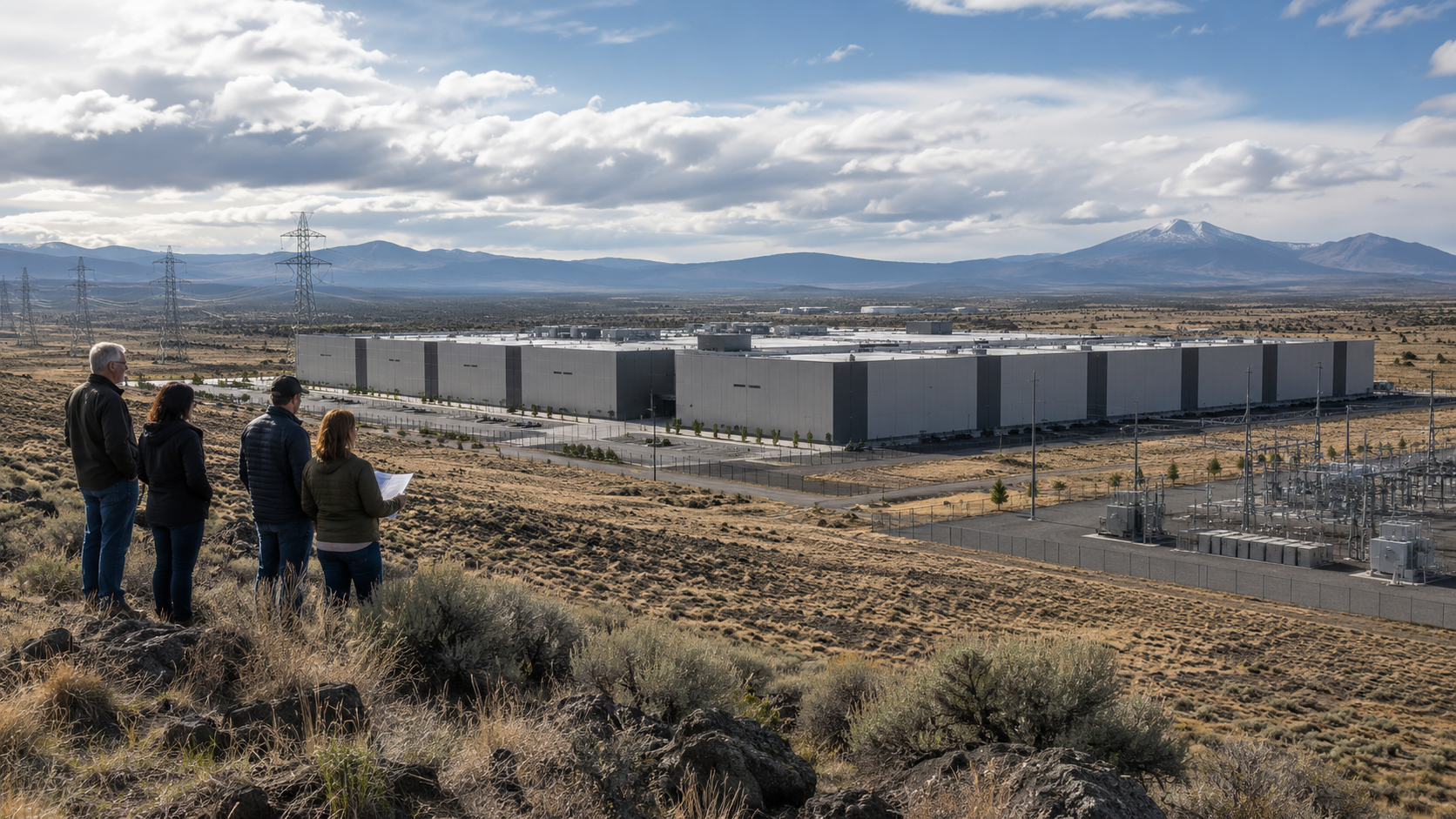
A video discussion about Oregon data centers, public costs, and local accountability.
This video discusses the rapid expansion of data centers in Oregon and the questions local communities should be asking before these projects move forward.
Data centers are often presented as economic development projects, but they also raise serious public-interest questions. They can require large amounts of electricity, water, land, infrastructure, and tax support. When those costs are spread across communities, residents deserve to understand who benefits, who pays, and what safeguards are in place.
The issue is not whether the internet, cloud services, or artificial intelligence require physical infrastructure. They do. The issue is whether Oregon communities are being asked to absorb the costs while private companies receive the long-term benefits.
Why this matters
Data centers are not just buildings. They are major infrastructure decisions. They can affect electric grids, water systems, land use, tax revenue, utility planning, climate goals, and local budgets.
Before Oregon cities and counties approve or subsidize large data center projects, residents should have clear answers about:
How much electricity the project will require;
Whether residential or small-business utility customers could see higher costs;
How much water the facility will use;
Whether the project receives tax breaks or public incentives;
How many permanent local jobs will actually be created;
What environmental impacts have been reviewed;
Whether emergency services, roads, substations, or other public infrastructure will need upgrades; and
How the public will be able to monitor compliance over time.
Communities should not have to accept vague promises in place of enforceable protections. If a project requires public resources, public infrastructure, or public subsidies, then the public deserves transparency.
A local government issue
These decisions often happen through zoning changes, utility agreements, tax exemptions, enterprise zones, development agreements, and infrastructure planning. That means city councils, county commissions, planning departments, and state lawmakers all have a role to play.
Oregon residents should be able to ask basic questions before approval, not after the project is already locked in.
Data centers may be part of the modern economy, but that does not mean every proposal deserves automatic approval. Growth should come with accountability, measurable public benefit, and protections for the communities being asked to host this infrastructure.
A public comment on police technology, public safety, and accountability.
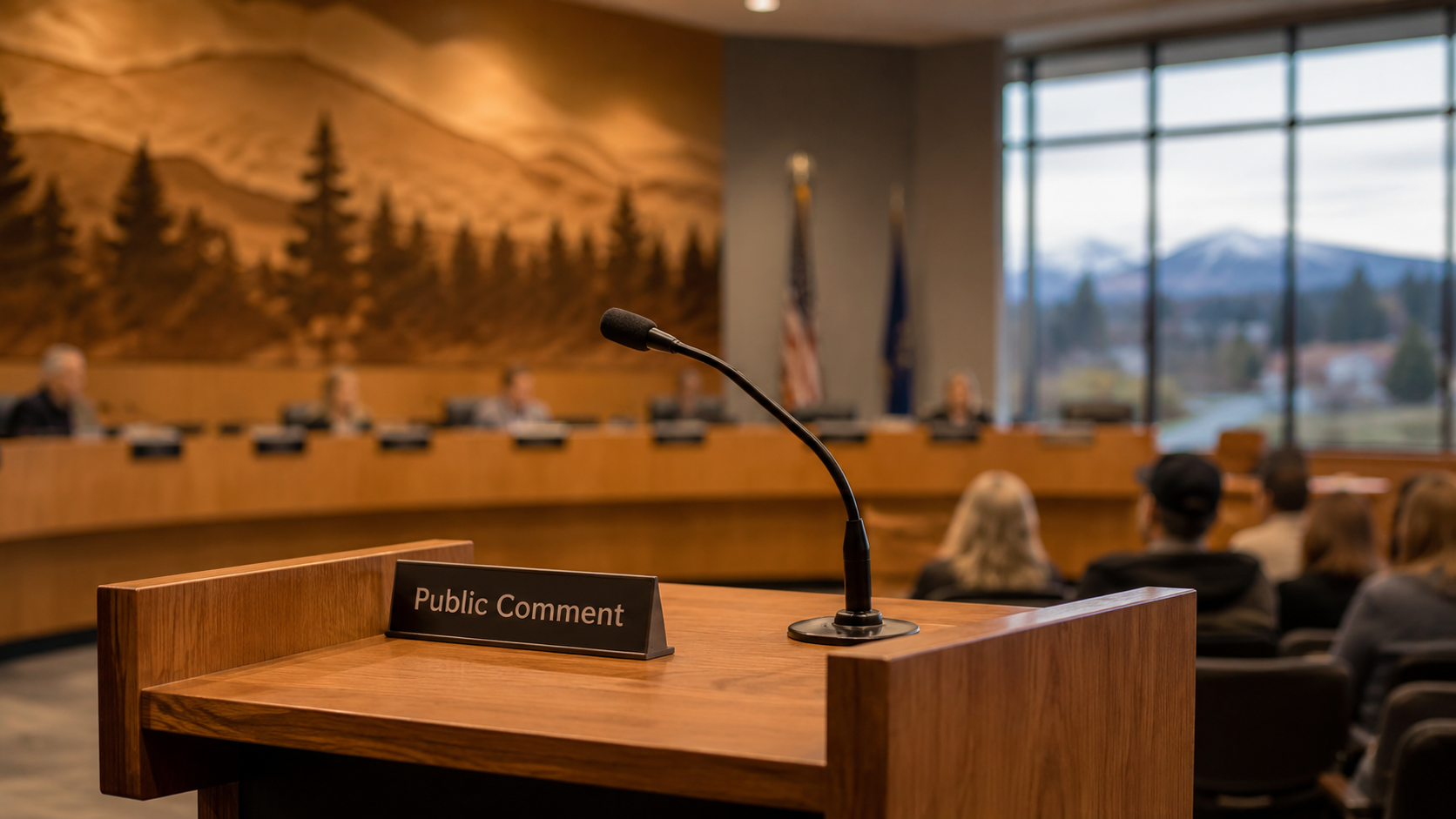
This video shows my public comment to Bend City Council regarding two connected concerns: the proposed expansion of Axon police technology and the police response after a bullet was fired into my mother’s apartment.
My concern is not only whether new policing tools are useful. It is whether the City has strong enough oversight, transparency, auditing, data protections, and accountability in place before expanding police technology contracts.
The same public safety system that asks residents to trust expanded technology must also be able to respond clearly, urgently, and accountably when a bullet enters someone’s home. That experience shaped why I believe Bend should slow down, ask harder questions, and build stronger safeguards before expanding surveillance or police technology systems.
Why this matters
Police technology decisions are not just purchasing decisions. They shape how public safety works, how data is collected, how evidence is handled, and how residents are asked to trust government systems.
Before expanding Axon or any similar system, Bend should have clear answers about:
What data will be collected;
Who can access it;
How long it will be retained;
How searches and usage will be audited;
How errors, misuse, or weak responses will be reviewed; and
How residents will know whether these systems are actually improving safety.
Technology can support public safety, but it cannot replace accountability. In fact, the more powerful the technology becomes, the stronger the oversight needs to be.
A featured Hide & Speak livestream exploring privacy, surveillance, civil liberties, and the public accountability questions that increasingly shape modern civic life.
This featured Hide & Speak livestream brings together a timely conversation on privacy, surveillance, civil liberties, and public accountability. As these issues continue to move from abstract policy debates into everyday life, discussions like this one help make the stakes clearer and more accessible.
Originally streamed last Saturday, this conversation is now archived here for anyone who was unable to join live or who wants to revisit it.
A featured Hide & Speak discussion examining Flock Safety, automated license plate readers, public safety claims, and the civil liberties questions raised by expanding surveillance systems.
This Hide & Speak video looks at Flock Safety and the growing use of automated license plate reader systems. The discussion explores the tension between public safety claims and the risks of routine, large-scale surveillance, including how these systems can affect privacy, civil liberties, accountability, and public trust.